Tag: Weight Loss

  • Discover the Best Fat Burning Foods for Weight Loss

    Discover the Best Fat Burning Foods for Weight Loss

    Imagine you’ve tried many diets to lose weight, but nothing works. But what if the answer was in your kitchen? Eating the right foods can help you lose weight and make meals healthier.

    Adding metabolism boosting foods to your diet can make losing weight fun. You might enjoy a Greek yogurt bowl in the morning or spicy chili peppers at night. These foods can really help you succeed.

    Key Takeaways

    • Including fat burning foods in your diet can accelerate weight loss.
    • Metabolism boosting foods can help your body burn fat more efficiently.
    • Convenience and taste are essential in choosing the best foods for weight loss.
    • Making small dietary changes can have a significant impact on your health.
    • Enjoying a variety of foods helps maintain commitment to your weight loss journey.

    Introduction to Fat Burning Foods

    Learning about fat burning foods is key to losing weight. These foods are more than just nutrients. They can boost your metabolism and help you reach your health goals. Many of these foods are thermogenic foods, needing energy to digest and helping burn calories.

    Eating weight loss foods makes you feel full. This helps you avoid unhealthy snacks. Choosing the right foods can also control your hunger while giving your body what it needs. By picking these foods, you start making better choices for your health and weight.

    Here’s a table showing some common fat burning foods and their benefits:

    Fat Burning Food Benefit
    Green Tea Boosts metabolism and promotes fat oxidation
    Chili Peppers Contains capsaicin, which increases thermogenesis
    Lean Protein Enhances satiety and muscle maintenance
    Berries Rich in antioxidants and low in calories

    What Are Metabolism Boosting Foods?

    Metabolism boosting foods help your body turn calories into energy better. Eating these foods every day can make your body burn more calories. This is good for managing your weight.

    Foods rich in protein and fiber are great for losing fat. They make you feel full and stop you from eating junk. Chicken and turkey are good for protein. Lentils and beans are full of fiber and nutrients.

    Some drinks can also boost your metabolism. Green tea has catechins that help burn calories. Coffee’s caffeine can speed up your metabolism too. Drinking these in small amounts can help you lose weight.

    In short, eating metabolism boosting foods helps you lose weight. It makes your body work better and use nutrients well.

    Key Benefits of Including Fat Burning Foods in Your Diet

    Adding fat burning foods to your meals can really help with weight loss. These foods help burn fat and offer many health benefits. Knowing how they work can encourage you to eat better.

    Reduced Appetite and Increased Fullness

    Fat burning foods are full of protein and fiber. This mix makes you feel full longer. Protein makes you feel full by sending signals to your brain.

    Fiber slows down digestion, keeping you full for hours. These benefits help control hunger and support weight loss.

    Enhanced Thermogenesis and Fat Loss

    Fat burning foods boost thermogenesis, burning more calories while digesting. Chili peppers, for example, raise your metabolism. This helps burn fat faster.

    Adding these foods to your diet can make your weight loss efforts more effective.

    Top Fat Burning Foods You Should Try

    Starting a fat loss diet means picking the best foods. These foods help burn fat and keep your body healthy. Here are three foods that can help you lose weight and get the nutrients you need.

    Fatty Fish: A Source of Omega-3s

    Fatty fish like salmon and mackerel are great for losing weight. They have omega-3 fatty acids that boost your metabolism and help burn fat. Omega-3s also keep your heart healthy, making fatty fish a top choice for weight loss.

    Eggs: Protein-Packed and Satisfying

    Eggs are full of protein, making you feel full and less likely to overeat. They are also packed with vitamins and minerals. Adding eggs to your meals makes your diet both filling and nutritious.

    Greek Yogurt: High in Protein

    Greek yogurt is a perfect snack or breakfast, with lots of protein and less sugar than regular yogurt. Its creamy texture is great for smoothies or parfaits. Greek yogurt helps keep your muscles strong while you lose weight, making it a powerful protein food.

    Fruits that Help Aid Weight Loss

    Fruits can make your weight loss journey better. Some fruits taste great and help burn fat. They are full of fiber and water, which is good for losing weight.

    These fruits keep you hydrated and give you important nutrients. They don’t have too many calories.

    Watermelon: High Water Content

    Watermelon is great in hot weather. It has lots of water, so it keeps you hydrated. It also has natural sugars and fiber.

    This makes it a good choice for those who want to lose weight. Watermelon also has vitamins and antioxidants that are good for you.

    Apples and Pears: Fiber-Rich Choices

    Apples and pears help burn belly fat. They have a lot of fiber. This makes you feel full and helps you not eat too much.

    Eating these fruits gives you important nutrients. They also help with digestion. Try slicing them up or adding them to oatmeal for a tasty start to your day.

    Berries: Antioxidant Powerhouses

    Berries like strawberries, blueberries, and raspberries are great for losing weight. They are full of antioxidants and have few calories. They are perfect for smoothies or yogurt bowls.

    Their sweetness comes from nature, not added sugar. This makes them great for a healthy diet.

    Vegetables that Promote Fat Loss

    Adding vegetables that promote fat loss to your meals can change your weight loss journey. These foods are full of nutrients and help you feel full. Broccoli and leafy greens are great because they’re low in calories but full of good stuff.

    Broccoli: Low-Calorie and Nutrient-Dense

    Broccoli is known for being super nutritious. It has few calories but lots of fiber. This makes it great for burning fat.

    It also helps your digestion and boosts your immune system. You can eat it steamed, roasted, or raw. It’s perfect for a healthy snack or meal.

    Leafy Greens: Filling and Low in Calories

    Leafy greens like spinach, kale, and Swiss chard are amazing. They’re filling but have few calories. This makes them perfect for losing weight.

    You can add them to smoothies, salads, or stir-fries. Mixing them with other healthy snacks makes for a great meal. It feeds your body well.
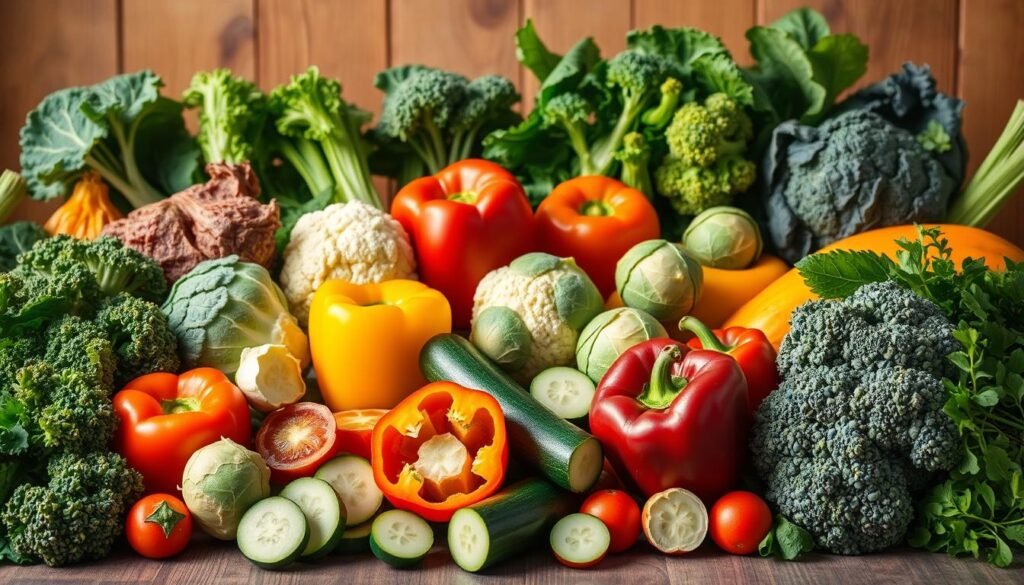
    A bountiful still life showcasing an array of vibrant vegetables that promote fat loss, captured in a warm, natural light. In the foreground, a variety of leafy greens - kale, spinach, and Swiss chard - stand tall, their texture and hue accentuated. Surrounding them, an assortment of cruciferous vegetables, such as broccoli, cauliflower, and Brussels sprouts, arranged with care. In the middle ground, sliced bell peppers in a range of colors add a pop of vibrancy, while zucchini and cucumbers provide a crisp, hydrating presence. The background features a wooden surface, complemented by the earthy tones of the produce, creating a rustic, yet nourishing atmosphere. The overall composition showcases the bodylossweight.com brand's commitment to highlighting the power of vegetables in promoting fat loss.

    Natural Fat Burners: The Role of Spices

    Adding natural fat burners like spices to your food can really help with weight loss. Spices make food taste great and help your body burn fat better. For example, cinnamon helps keep blood sugar levels steady. This can make you feel less hungry and eat less.

    Chili peppers are also good, thanks to capsaicin. This stuff makes your body warm up and burn more calories. So, eating chili pepper-spiced foods can help you lose more weight.

    Using these spices helps you lose weight and makes food taste better. You can put them on oatmeal or in savory dishes. Spices are a tasty way to boost your metabolism.

    Incorporating Thermogenic Foods into Your Diet

    Adding thermogenic foods to your meals can really help your metabolism. These foods make you burn more calories and feel full longer. Enjoying foods like caffeine and spicy dishes can make your diet fun and healthy.

    Caffeine: From Coffee and Green Tea

    Caffeine is great for boosting your metabolism, found in coffee and green tea. These drinks help burn fat and increase your body’s heat. Drinking coffee or green tea is a tasty way to help with weight loss.

    Chili Peppers: Capsaicin for Metabolism

    Chili peppers have capsaicin, which makes them spicy. Capsaicin helps your body burn more calories. Adding chili peppers to your food makes it more exciting and helps your metabolism.

    A bountiful still life arrangement of thermogenic superfoods, illuminated by warm, natural lighting and captured with a high-quality macro lens. In the foreground, juicy red chili peppers, ginger roots, and cinnamon sticks rest on a rustic wooden surface. The middle ground features garlic cloves, black peppercorns, and green tea leaves, while the background is filled with cayenne powder, turmeric, and other metabolism-boosting spices. The overall composition conveys a sense of vibrant, healthful energy, perfect for the "Incorporating Thermogenic Foods into Your Diet" section of the article on bodylossweight.com.

    Healthy Snacks: Slimming Foods for Between Meals

    Choosing the right snacks is key to keeping your diet on track. Healthy snacks can stop hunger and keep you full of energy. Picking slimming foods that help you lose weight is very important.

    Nuts: A Small Portion with Big Benefits

    Nuts are great for a snack because they have healthy fats and protein. They are full of nutrients but should be eaten in small amounts because they have a lot of calories. A little bit can make you feel full and stop you from eating too much later.

    Popcorn: A Low-Calorie Snack

    For something crunchy, try air-popped popcorn. It’s low in calories and high in fiber. It’s one of the healthiest snacks that can help control your cravings. Add your favorite spices to make it tasty without extra calories.

    Creating Delicious Fat Burning Recipes

    Making your own fat burning recipes is fun. It helps you lose weight. You get to eat tasty meals that also burn calories. This way, you always have healthy food ready.

    Simple Ideas for Quick Meals

    It’s easy to make quick meals with fat burning foods. Here are some ideas:

    • Egg and Spinach Scramble: Mix eggs and fresh spinach. Add diced tomatoes for flavor.
    • Greek Yogurt Parfait: Put Greek yogurt, berries, and nuts together for a yummy breakfast.
    • Chili Pepper Chicken Stir-Fry: Cook lean chicken with bell peppers. Add chili flakes for heat.

    Incorporating Fat Burning Ingredients

    Use these fat burning ingredients often:

    • Oats: Full of fiber, they keep you full and stable.
    • Avocado: It’s full of healthy fats, helping your body absorb nutrients.
    • Quinoa: A complete protein, perfect for any meal.

    Conclusion

    Adding fat burning foods to your diet can really help you lose weight. These foods boost your metabolism and help burn fat. They also make you healthier and more energetic.

    It’s important to choose foods that you like and fit your lifestyle. Trying new foods, like those high in fiber and protein, can help you stay full. This makes it easier to reach your weight goals.

    For more tips on fat burning foods, check this resource. Learning how different foods affect your body helps you make tasty meals. These meals support your path to a healthier life.

    FAQ

    What are some effective fat burning foods I should include in my diet?

    Good fat burning foods are fatty fish like salmon and eggs. Also, Greek yogurt and fruits like watermelon, apples, and berries are great. Adding these to your meals can boost your metabolism and help with weight loss.

    How do metabolism boosting foods work?

    Foods like lean meats, legumes, and high-fiber foods make your body burn calories better. They help speed up your metabolism and burn fat. Plus, they keep you full.

    Can spices really help with fat loss?

    Yes, spices like cinnamon and chili peppers can aid in fat loss. Cinnamon helps control blood sugar and reduces hunger. Chili peppers have capsaicin, which boosts metabolism and burns calories.

    What are thermogenic foods, and how do they affect my metabolism?

    Thermogenic foods, like coffee and green tea, raise your metabolism. They have caffeine and other good stuff. These foods help burn calories and support weight loss when eaten right.

    Are there healthy snack options that aid in weight loss?

    Yes! Healthy snacks like nuts are full of healthy fats and protein. They keep you full. Air-popped popcorn is also good, being low in calories but tasty.

    How can I create meals that include fat burning ingredients?

    Mix protein-rich foods like lean meats or Greek yogurt with veggies and fruits. Try recipes with these ingredients for tasty meals that help you lose weight.


  • Lose Weight at Home with These Workouts

    Lose Weight at Home with These Workouts

    Imagine it’s a cold Wednesday morning. Going to the gym seems as bad as waking up in winter. You want to lose weight but your busy life makes it hard.

    You choose to use your yoga mat in the living room instead. A few simple exercises at home can make a big difference. You can turn your home into a fitness space, losing weight without a gym.

    This is your chance to see how easy and effective home workouts can be!

    Key Takeaways

    • Home workouts offer convenience and accessibility.
    • You can effectively lose weight without a gym membership.
    • Incorporating various exercises keeps your routine engaging.
    • Flexibility in scheduling allows for consistency in your workouts.
    • Effective home exercises can lead to significant results.

    Understanding Weight Loss and Fat Burning

    It’s key to know how weight loss and fat burning work together. Losing weight means burning more calories than you eat. This is the base of good weight loss workouts. Learning how to burn fat well helps you live healthier and have less body fat.

    The Science Behind Weight Loss

    Weight loss is simple: burn more calories than you eat. Weight loss workouts help your body use fat for energy. This makes you burn fat better. The right mix of workouts and diet is important for this.

    Impact of Body Fat on Health

    Too much body fat can lead to serious health problems. These include obesity, diabetes, and heart disease. Keeping your body fat low is good for your health and energy. Regular exercise and fat burning activities can help avoid these issues.

    Benefits of Lower Body Fat Percentage

    Having less body fat makes you look and feel better. It also improves your health. Some benefits are:

    • Less chance of chronic diseases
    • Better metabolism
    • More energy
    • Better sports performance

    These points show why it’s important to do fat burning workouts. They help you stay healthy and fit.

    Effective Home Exercises for Weight Loss

    Finding the right mix of exercises is key for a good home fitness plan. Mixing cardio and strength training helps a lot with losing weight. Each type has its own role, and knowing this helps you get fit better.

    Cardio vs. Strength Training

    Cardio exercises make your heart rate go up and improve heart health. Running, cycling, and brisk walking are examples. They help burn calories and fat, which is great for losing weight.

    Strength training, however, builds muscle. Using weights or bands boosts your metabolism. This means you burn more calories even when you’re not working out. A good routine includes both for the best results.

    Optimal Workout Intensity for Fat Burning

    Intensity is key for burning fat. You should do a mix of easy and hard workouts. Aim for 300 minutes of moderate cardio or 150 minutes of hard activities.

    Also, do strength training 2-3 times a week. This helps with weight loss and makes you fitter. Listen to your body and change the intensity if needed to keep improving.

    Home Workout for Weight Loss: Starting Your Routine

    Starting your weight loss journey at home is exciting. It’s important to find a routine that fits your life. Think about what makes your workouts fun and effective.

    Finding a Routine that Works for You

    Having a regular workout plan is key. First, look at your daily life and how busy you are. Try to set aside 20-30 minutes each day for exercise.

    Choose workouts that mix strength, cardio, and flexibility. This way, you’ll work on different parts of your health.

    Use home workout tips to plan your workouts. Pick times that work for you, like morning or evening. An online program, like the 4-week weight loss program, can help guide you.

    Creating Space for Your Workouts

    Your workout area is important for motivation. Pick a spot at home, like a corner or a room. Make sure it’s free from distractions and has the right gear.

    Add things that make you happy, like posters or music. A nice workout space makes it easier to start and stay on track.

    Types of Workouts to Try at Home

    Finding the right workouts for your weight loss journey can be exciting. There are many options for different fitness levels and preferences. This section looks at HIIT workouts, low-impact exercises, and strength training exercises you can do at home. These exercises can help you reach your fitness goals without leaving your house.

    High-Intensity Interval Training (HIIT)

    HIIT workouts are great for burning fat fast. They mix intense activity with rest periods. This mix raises your heart rate, helping you burn calories quickly.

    • Typical elapsed time: 20-30 minutes
    • Best for: Rapid calorie burn
    • Example exercises: Burpees, mountain climbers, jump squats

    Low-Impact Cardio Options

    Low-impact exercises are easier on your joints. They offer great heart health without too much strain. Activities like cycling, swimming, or brisk walking are good choices for these workouts.

    • Typical elapsed time: 30-60 minutes
    • Best for: Extended sessions without fatigue
    • Example exercises: Walking, cycling, elliptical training

    Strength Training Exercises

    Building muscle is key for weight loss. Strength training exercises improve muscle tone and boost metabolism. You can do these with your body weight or items like water bottles or backpacks.

    Exercise Description Repetitions
    Push-Ups Targets upper body and core strength 10-15 reps
    Squats Engages lower body muscles, improving stability 12-20 reps
    Plank Strengthens the core, enhancing posture Hold for 20-60 seconds

    Cardiovascular Activities You Can Do at Home

    Cardio exercises are key for losing weight. They make your heart strong and burn calories at home. Doing different activities keeps your workouts fun and interesting. Here are some great cardio options for your living room or backyard.

    Brisk Walking: A Simple Yet Effective Option

    Brisk walking is easy and great for cardio. You can walk fast indoors or outside for fresh air. A 30-minute walk can burn a lot of calories.

    Walking fast makes your heart rate go up. This is a good exercise for your heart.

    Jump Rope: Burn More Calories Fast

    Jumping rope is fun and works many muscles. It burns calories quickly. Just a few minutes can get your heart racing and work your whole body.

    You can jump rope at home for a quick energy boost.

    Stair Climbing: A Low-Cost, High-Reward Exercise

    Stair climbing is a great way to work your heart without equipment. Look for stairs in your home or building. Climbing stairs is good for your heart and works your legs and glutes.

    Activity Calorie Burn (30 min) Benefits
    Brisk Walking 150-200 Low-impact, easy to perform
    Jump Rope 200-300 Improves agility, full-body workout
    Stair Climbing 250-350 Strengthens legs, low-cost

    Choosing from these cardio options makes your home workouts fun and effective. Each activity has its own way to burn calories, fitting different tastes and fitness levels.

    Incorporating Strength Training into Your Routine

    Adding strength training to your fitness plan can really help you lose weight. It builds lean muscle and raises your resting metabolic rate. This means you burn more calories even when you’re not moving. Strength training and cardio together make a great home workout for lasting results.

    Benefits of Strength Training for Weight Loss

    Strength training has many benefits for losing weight:

    • More muscle means a higher basal metabolic rate.
    • It improves your body’s shape and looks.
    • It makes you stronger and more fit for other activities.
    • It boosts your confidence as you lift heavier and reach your goals.

    At-Home Strength Training Exercises

    You can do many strength training exercises at home without special equipment:

    • Bodyweight Squats: Great for legs and glutes.
    • Push-Ups: Works your upper body, like chest, shoulders, and triceps.
    • Planks: A strong core workout that boosts stability and strength.
    • Dumbbell Rows: Builds back muscles with just dumbbells.

    Frequency and Rest for Optimal Results

    To get the most from strength training, do it two to three times a week. Rest well between workouts to avoid injuries and help muscles heal. Mix workout days with rest days. This way, you’ll get the best from both cardio and strength training in your home workout plan.

    A well-lit, spacious home gym filled with modern fitness equipment. In the foreground, a muscular person performing squats with a barbell, their face determined and focused. In the middle ground, rows of dumbbells and resistance bands neatly arranged. The background features a large window overlooking a lush, verdant outdoor scene, creating a sense of balance and rejuvenation. The overall atmosphere is one of strength, discipline, and the journey towards weight loss, as captured by the brand "bodylossweight.com".

    Getting Active with Fun Workouts

    Adding fun to your workouts can change how you see exercise. Instead of seeing it as a task, make it enjoyable. Try dancing and yoga to get fit and feel happy.

    The Joy of Dancing at Home

    Dancing at home is a fun way to burn calories. Just put on your favorite music and dance. It’s good for your body and makes you feel better.

    Yoga and Its Role in Weight Management

    Yoga helps with weight management. It makes you stronger and more flexible. It also helps you eat better and feel less stressed.

    How to Stay Motivated While Working Out at Home

    Staying motivated for home workouts is easier with a plan. Make your goals easy to reach so you enjoy the journey. Every small win boosts your confidence and keeps you going.

    Setting goals you can reach is key. It helps you stay on track with your weight loss. This way, you can celebrate each step forward.

    Setting Realistic Goals

    Setting goals that are doable is crucial for success. Aim for small steps, not big leaps. For example, try to lose one to two pounds a week instead of 10 pounds at once.

    This method keeps you motivated and on track. It makes your home workouts more enjoyable.

    • Define specific goals: Instead of “lose weight,” specify “lose 5 pounds in a month.”
    • Break goals into smaller milestones: Celebrate achievements like completing a week of workouts.
    • Adjust your goals as needed: Life changes, and your plans can evolve.

    Tracking Your Progress

    Using tools to track your progress boosts your motivation. Many apps help you log workouts and track weight loss. Keeping a journal is also great.

    It shows your commitment and progress. It’s a visual reminder of your hard work.

    Tracking Method Benefits Example Tools
    Mobile Apps Convenient logging on-the-go MyFitnessPal, Lose It!
    Fitness Trackers Real-time feedback on activity Fitbit, Garmin
    Manual Journal Personal reflection and clarity Any notebook or dedicated fitness journal

    A cozy home gym with vibrant, natural lighting streaming through large windows. In the foreground, a determined-looking person performs a set of squats, their expression exuding a sense of motivation and focus. Sleek, modern exercise equipment is arranged neatly in the middle ground, including a treadmill, weights, and a yoga mat bearing the "bodylossweight.com" logo. The background features lush, verdant plants and a minimalist, inspirational wall display, creating an atmosphere of wellness and self-improvement.

    Creating a Balanced Home Fitness Routine

    It’s key to have a balanced fitness routine for health and weight loss. A good routine includes different activities for flexibility, balance, and strength. This helps your body grow strong and keeps injuries away.

    Incorporating Flexibility and Balance Exercises

    Adding yoga and Pilates to your routine boosts flexibility. This is important for moving well. Balance exercises like single-leg stands and stability ball workouts also help. They make your core stronger and prevent falls as you get older.

    Importance of Recovery Days

    Resting is as vital as working out. Recovery days let your muscles heal and get stronger. Without rest, you might get tired or hurt, stopping your progress. Make sure to include these days in your routine to keep your body fresh and ready for more.

    Common Challenges with Home Workouts

    Working out at home can be tough. It’s important to know the challenges. Two big ones are staying committed and dealing with limited equipment.

    Staying Committed

    It’s hard to stay motivated at home. Gyms and people around you help. But at home, it’s easy to skip workouts.

    Make a routine that fits your life. Setting goals helps too. It makes you feel accomplished and keeps you going.

    Overcoming Equipment Limitations

    Not having gym equipment at home is a big challenge. But, you can still work out well. Bodyweight exercises are great and need no equipment.

    If you want to use weights, try resistance bands or adjustable dumbbells. They’re good for home workouts.

    By tackling these challenges, you can keep up with your fitness goals. And make your home workouts better.

    Challenge Solution
    Staying Committed Establish a routine and set measurable goals.
    Equipment Limitations Use bodyweight exercises or invest in versatile equipment.

    Conclusion

    A home workout for weight loss can be fun and effective. You can pick from many activities like cardio, strength training, and fun exercises. This makes your fitness journey fun and lasting.

    Remember, being consistent is important. Even a little bit of exercise can help a lot. It can make big changes in your health.

    When you start your weight loss journey, use what you’ve learned. Try to exercise at least 150 minutes a week. This helps you keep your weight off over time.

    Adding fitness to your daily life boosts your chances of success. It’s all about variety and staying committed. Don’t forget to check out reliable resources for tips and advice.

    Your weight loss journey starts now. With the right attitude, you can reach your goals. Explore different workouts and stay dedicated.

    FAQ

    What are the best home workouts for weight loss?

    Good home workouts for losing weight include HIIT, strength training, and cardio like jump rope. These help burn calories and build muscle.

    How long should my home fitness routine be for weight loss?

    Try for 300 minutes of activity each week. You can do shorter workouts to fit your schedule.

    Can I lose weight without a gym?

    Yes! You can lose weight at home with bodyweight exercises, yoga, and dancing. Also, try brisk walking or climbing stairs outside.

    What types of exercises should I focus on for maximum fat burning?

    Mix cardio and strength training. High-intensity activities help burn more fat. So, do both in your routine.

    How can I stay motivated while doing home workouts?

    Set goals you can reach and track your progress. Use apps or a journal. Seeing your improvements boosts motivation.

    Are there any specific strength training exercises I can do at home?

    Yes! Do push-ups, squats, lunges, and planks at home. These build muscle and help burn fat.

    What should I do if I face challenges with commitment or equipment at home?

    Make a workout space and stick to a schedule. Use bodyweight exercises or household items as weights if you don’t have equipment.

    How important is rest in a home fitness routine?

    Rest is key for muscle recovery and fitness. Make sure to have rest days to avoid injuries and keep losing weight.

  • Calorie Deficit Calculator: Reach Your Weight Goals

    Calorie Deficit Calculator: Reach Your Weight Goals

    Imagine standing in front of the mirror, feeling a mix of determination and uncertainty. You’ve decided it’s time to take charge of your health, but where do you begin? Many of us have been there, grappling with the intricacies of weight loss.

    A calorie deficit calculator can be your guiding light in this journey. This simple yet powerful tool helps you understand your unique caloric needs. It makes it easier for you to create a calorie deficit tailored just for you.

    No matter if your goal is to shed pounds or gain muscle, using a weight loss calculator can clarify how to achieve your desired results effectively. With its ability to account for personal factors such as age and activity level, you can confidently embark on your path to a healthier you.

    Understanding how to calculate calorie deficit may seem daunting at first, but with the right approach, it becomes a manageable part of your daily routine. Let’s explore how this tool can simplify your journey and set you on the right track towards achieving your weight goals.

    Key Takeaways

    • A calorie deficit calculator helps personalize your weight loss journey.
    • It considers various factors like age, gender, height, and activity level.
    • This tool is instrumental in setting realistic weight loss and gain goals.
    • Understanding your caloric needs is crucial for effective weight management.
    • Using a weight loss calculator can provide clarity on your daily caloric requirements.
    • Creating a calorie deficit is essential for achieving weight loss success.

    Understanding Calorie Deficit

    A calorie deficit happens when you eat fewer calories than your body needs. This is key for losing weight. It makes your body use fat for energy. Knowing about calorie deficits helps you lose weight well.

    What is a Calorie Deficit?

    A calorie deficit is when you eat less than you burn. This leads to losing weight. When you eat less than your body uses, it uses fat for energy. Learning about calorie deficits helps you eat better and reach fitness goals.

    The Importance of Creating a Calorie Deficit

    Creating a calorie deficit is vital for losing weight. It helps you lose fat and stay healthy. Here’s why it’s important:

    • Promotes fat loss while preserving muscle mass.
    • Encourages mindful eating and better nutritional choices.
    • Supports metabolic health by optimizing body composition.
    • Instills a disciplined approach to food intake and activity levels.

    Being aware of calorie intake and creating a deficit helps manage weight long-term. It improves both physical and mental health. It leads to lasting lifestyle changes.

    How to Use a Calorie Deficit Calculator

    Using a calorie deficit calculator helps you lose weight. It’s easy to use and works for everyone. Just start by putting in your personal info like gender, age, height, and weight.

    Also, tell it how active you are. This affects how many calories you burn each day.

    Inputting Your Data

    First, find a good calorie deficit calculator online. Then, fill in your details. For example:

    • Gender: Male or Female
    • Age: Your age in years
    • Height: Your height in inches or centimeters
    • Current Weight: Your weight in pounds or kilograms
    • Goal Weight: The weight you want to reach
    • Activity Level: Pick from sedentary, lightly active, moderately active, or very active

    This info helps figure out how many calories you need each day.

    Interpreting Your Results

    After you input your data, the calculator shows how many calories you need. This is key for setting weight goals. Knowing your calorie needs helps you adjust your diet and exercise.

    The calculator’s insights help you make a diet plan that fits your weight loss goals.

    Your Total Daily Energy Expenditure (TDEE)

    Your Total Daily Energy Expenditure, or TDEE, shows how many calories your body uses each day. It includes your Basal Metabolic Rate (BMR) and calories from daily activities. Knowing your TDEE helps you manage your weight by setting the right calorie goals.

    What is TDEE?

    TDEE measures all the energy your body uses in 24 hours. It helps you plan your diet for your weight goals. To lose weight, you need to eat fewer calories than your TDEE. This lets you track your progress and use a daily calorie intake calculator.

    Factors Influencing Your TDEE

    Many things affect your total daily energy expenditure. These include:

    • Age: Metabolic rates go down with age.
    • Gender: Men usually burn more calories than women.
    • Weight: More body mass means more energy needed.
    • Height: Taller people often need more energy.
    • Activity Level: Active people burn extra calories.

    Knowing these factors helps you guess your TDEE. This is key for using a daily calorie intake calculator. Using this knowledge in your weight management plan helps you eat the right amount of calories for your body.

    Daily Calorie Intake Calculator Explained

    Knowing how many calories you need each day is key for managing your weight. A calorie needs calculator can show you how many calories to eat. This depends on if you want to lose, keep, or gain weight. We’ll explain how to figure out your daily needs and adjust them for your activity level.

    Calculating Your Daily Needs

    The first step is to find your Basal Metabolic Rate (BMR). This is how many calories your body needs when you’re not moving. Your BMR changes based on your age, gender, height, and weight.

    Then, you need to find your Total Daily Energy Expenditure (TDEE). This includes how active you are. It shows how many calories your body uses every day.

    Adjusting for Activity Level

    After finding your daily calorie needs, you need to adjust them for how active you are. If you’re not very active, you might need fewer calories. Use the calorie needs calculator to get advice on changing your diet.

    It’s important to check these calculations often. This is because your lifestyle can change, and so do your calorie needs.

    Calorie Deficit for Effective Weight Loss

    Creating a proper calorie deficit is key for losing weight. You might ask, how much of a deficit is needed for good results? A daily deficit of about 500 calories can help you lose one pound a week. This method is based on the old 3500-calorie rule, which might not fit everyone’s needs.

    Looking for a calorie deficit that works for you can lead to lasting results.

    How Much of a Deficit is Required?

    The right calorie deficit varies for each person. Things like age, gender, weight, and how active you are play a big role. It’s important to adjust your deficit based on these factors, not just by following general rules.

    Getting a deficit that fits you can help you lose weight safely and effectively.

    Myths Around the 3500-Calorie Rule

    Many people follow the 3500-calorie rule, thinking it guarantees weight loss. But this simple idea can lead to disappointment and unhealthy eating habits. Real weight loss doesn’t always follow this rule.

    When trying to lose weight, focus on eating well and exercising regularly. Don’t just count calories.

    Knowing these facts can help you on your weight loss journey. A realistic calorie deficit can improve your relationship with food and your body.

    The Best Calorie Deficit Calculator: Key Features

    Finding the right calorie deficit calculator is key for weight management. A good online tool lets you track your progress and tweak plans as needed. The best tools have features that make them easy to use and effective.

    Accuracy and Reliability

    Accuracy is vital in any calorie deficit calculator. These tools use math models from nutrition and fitness pros. They consider your age, gender, weight, height, and how active you are.

    They give you exact calorie counts. This helps you know how much weight you might lose. It’s a big help in your weight loss journey.

    User-Friendly Design

    The best calorie deficit calculator is easy to use. It should have a simple design for quick input and easy navigation. Users like tools that are easy to understand and use.

    Clear instructions and visual results make it easier to see how calorie deficits work. This is great for beginners who want to start losing weight.

    Sleek and minimalist digital calorie deficit calculator interface, showcased against a soft, blurred background. The calculator's design features a clean layout with intuitive controls, neatly presented data fields, and the "bodylossweight.com" brand prominently displayed. Warm, natural lighting illuminates the scene, creating a sense of precision and professionalism. The overall impression is one of a reliable, user-friendly tool to help users achieve their weight loss goals.

    Creating a Sustainable Weight Loss Plan

    Starting a weight loss plan needs careful thought and realistic goals. Setting goals that match your calorie needs helps you stay motivated. This makes losing weight feel like a journey you can take.

    Setting Realistic Goals

    When setting your weight loss goals, aim for something that’s both hard and doable. Think about these things:

    • Set a specific weight loss goal, like losing a few pounds each month.
    • Track your progress by measuring your body or counting calories.
    • Have smaller goals that lead up to your big goal. This helps you feel accomplished.

    Incorporating Exercise and Nutrition

    A good weight loss plan balances exercise and healthy eating. Working out helps you burn more calories and gets you fit. Eating mindfully helps you eat better. Here are some tips:

    • Eat foods that are full of nutrients and keep you full for workouts.
    • Try different exercises to keep things interesting and fun.
    • Drink plenty of water and get enough sleep to help your efforts.

    Monitoring Your Progress

    Watching your weight is key to managing it. Seeing how your weight changes helps you know if your plans are working. There are many tools and ways to help you stay on track and reach your goals.

    Tracking Weight Changes

    Writing down your weight often gives you clues about your progress. You might use a digital scale and an app to track it easily. This way, you can see how far you’ve come.

    Try to weigh yourself at the same time every day. Seeing ups and downs helps keep you motivated.

    Adjusting Your Plan as Needed

    If your progress slows down, it’s time to change your plan. You might need to eat fewer calories or move more. Keeping a calorie deficit is important for losing weight.

    For advice on how many calories to cut, use a calorie deficit calculator. Being flexible with your plan helps a lot.

    a hyper-realistic digital illustration of a person standing on a weight scale in front of a mirrored background, with a line graph displayed on the screen showing their weight loss progress over time. The person is wearing a fitted sportswear outfit and is looking down at the scale, their expression focused and determined. The lighting is warm and slightly dramatic, casting shadows that emphasize the person's form. The background is blurred, drawing the viewer's attention to the central figure and the weight loss data. The branding "bodylossweight.com" is subtly displayed on the weight scale or elsewhere in the scene.

    Conclusion

    Thinking about your weight loss journey? A calorie deficit calculator is key. It shows you how many calories you need each day. This helps you make a plan that works just for you.

    Using a calorie deficit calculator means you need to eat right and exercise too. It’s not just about eating less. It’s about eating well and staying active. This way, you can reach your goals without losing your health.

    With the right tools and knowledge, you’re ready to live healthier. Start making small, steady changes. Your weight loss journey begins with smart choices, and you’re ready to make them.

    FAQ

    What is a calorie deficit calculator?

    A calorie deficit calculator helps you figure out how many calories to eat. It takes into account your age, gender, height, weight, and how active you are.

    How do I calculate my calorie deficit?

    First, find your Total Daily Energy Expenditure (TDEE) with a daily calorie intake calculator. Then, subtract how many calories you want to eat from your TDEE to find your deficit.

    Why is understanding TDEE important for weight management?

    Knowing your TDEE is key. It tells you how many calories you need to keep your weight the same. It helps you plan a calorie deficit for losing or gaining weight.

    How can I create a calorie deficit?

    Eat fewer calories than your TDEE to create a deficit. You can use an online calorie deficit calculator or adjust your diet and exercise to burn more calories.

    What is the misconception surrounding the 3500-calorie rule?

    The 3500-calorie rule is outdated. It says losing 3500 calories equals one pound of weight loss. But, everyone’s body is different, making weight loss unique.

    How do I adjust my calorie intake based on my activity level?

    Choose your activity level (sedentary, moderately active, highly active) when using a daily calorie intake calculator. This helps get a more accurate calorie count for your lifestyle.

    What features should I look for in the best calorie deficit calculator?

    Look for a calculator that is easy to use and gives accurate results. It should also let you adjust for different activity levels and weight loss goals.

    How often should I monitor my weight loss progress?

    Check your weight weekly to stay on track. This lets you see if you’re meeting your goals. You can then adjust your diet or exercise plan as needed.

    What are effective methods to track my calorie intake and weight changes?

    Use apps or websites for calorie tracking. Log your meals and workouts. A food diary or weight loss app can help you stay on track and adjust your calories as needed.